
Who might this help?
Family Inclusive Therapy can be particularly helpful for children and young people who are experiencing difficulties with their emotional wellbeing, relationships or sense of connection. This might include a young person who:
feels anxious, overwhelmed or frequently distressed
has become withdrawn or isolated
struggles to understand or manage their emotions
finds communication with parents or siblings difficult
has experienced trauma, loss, difficult relationships or other challenging life experiences
is neurodivergent and may experience the world, relationships or emotions differently
finds traditional talking therapy difficult or overwhelming
struggles with confidence, self-esteem or trusting others
is finding school, friendships or family life difficult
feels misunderstood by the people around them
needs support to develop a stronger sense of identity, belonging and self-worth
There doesn't need to be a specific diagnosis for a young person to benefit.
A different kind of therapy
Our Family Inclusive Therapy takes place outdoors, alongside our horses and in nature.
For some children and young people, sitting in a room and talking directly about difficult feelings can feel uncomfortable or overwhelming. This can be particularly true for young people who are neurodivergent or who have experienced trauma.
Working with horses gives them another way to communicate, explore their emotions and build confidence.
Sessions might involve:
grooming and caring for a horse
leading and walking alongside a horse
observing how a horse responds
working together on activities
spending time quietly with the horses
exploring what happens during an activity and how it relates to everyday life
There is no expectation that a child has to talk about everything they are feeling straight away. Sometimes doing something together makes it easier to talk.
Putting the young person at the centre
Every child and young person is different, so our sessions are shaped around their individual needs, strengths and goals.
We use a trauma-informed and neurodiversity-affirming approach, recognising that behaviour is often a way of communicating a need and that there is no single "right" way for a young person to experience or respond to the world.
We might help them to:
Understand their emotions - recognise feelings and body signals and begin to find ways to manage overwhelming emotions.
Build confidence - experience success, make choices and discover that they are capable of doing things that may initially feel difficult
Feel less isolated - have a safe place where they can be themselves, feel accepted and develop a sense of connection
Develop communication skills - find ways to express their needs, feelings and boundaries and help the people around them understand them
Build trust - develop safe, positive relationships and experience being listened to without judgement
Develop self-awareness - notice how their thoughts, feelings and behaviour affect themselves and others
Strengthen relationships - have positive experiences with parents, siblings and other important people in their lives.
Why involve the family?
A young person's progress doesn't stop when their therapy session ends.
The people around them can play an important role in helping them feel safe, understood and supported at home and in everyday life.
That's why, with the young person's needs at the heart of the work, we invite parents, siblings, carers and other important people to become part of the therapeutic process where appropriate.
Families can learn alongside the young person – developing a better understanding of their needs and discovering practical ways to communicate and respond differently.
For families affected by neurodivergence or trauma, this can be particularly valuable. It can help everyone understand that a young person's behaviour may be communicating something about how they are feeling, rather than simply being something that needs to be changed.
The aim is to help the young person feel understood rather than blamed, while giving the people around them practical ways to support them.
We start with the child or young person in front of us – their experiences, strengths, needs and what matters to them.
Family Inclusive Therapy
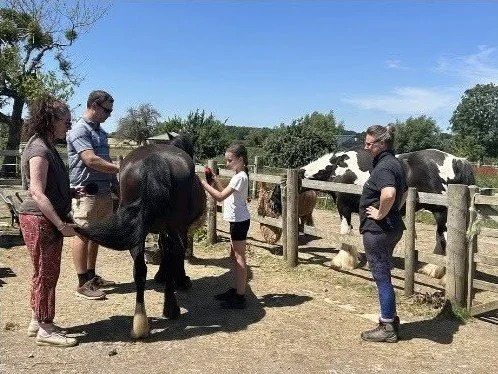
Helping children and young people feel understood, supported and connected
When a child or young person is struggling with their mental health or emotional wellbeing, it can affect every part of their life.
They may feel anxious, overwhelmed, isolated or unable to explain how they are feeling. They might find relationships difficult, struggle to manage their emotions, or feel that the adults around them don't really understand what they are experiencing.
At The Heard Therapy, Family Inclusive Therapy gives children and young people a safe, supportive space to work through these challenges – with the important people in their lives alongside them.
Rather than expecting a young person to manage everything on their own, we help the whole family understand what they are experiencing and find ways to support them.